
Reading about a subject can get very boring, very quickly… so what better way to learn about misinformation and the tactics people use to spread it by playing a game?
I played two games for this experiment: Bad News and Harmony Square. Both games have a similiar layout with prompts that guide you through the media simulation.
The spread of misinformation is often facilitated with ease with on social media and other digital platforms. It can also be amplified by confirmation bias, which is the tendency to seek out and believe information that supports one’s existing beliefs or biases.
While the games don’t take confirmation bias and the logical fallicies that people use to justify or seek out that sort of misinformation, it gets very creative in the tools used to spread that disinformation.
Bad News: Review
“Bad News” is an online game that simulates the spread of fake news and disinformation on social media. The game is designed to educate people about the techniques used by those who spread misinformation and to help players become more critical consumers of online information, or become more media literate.
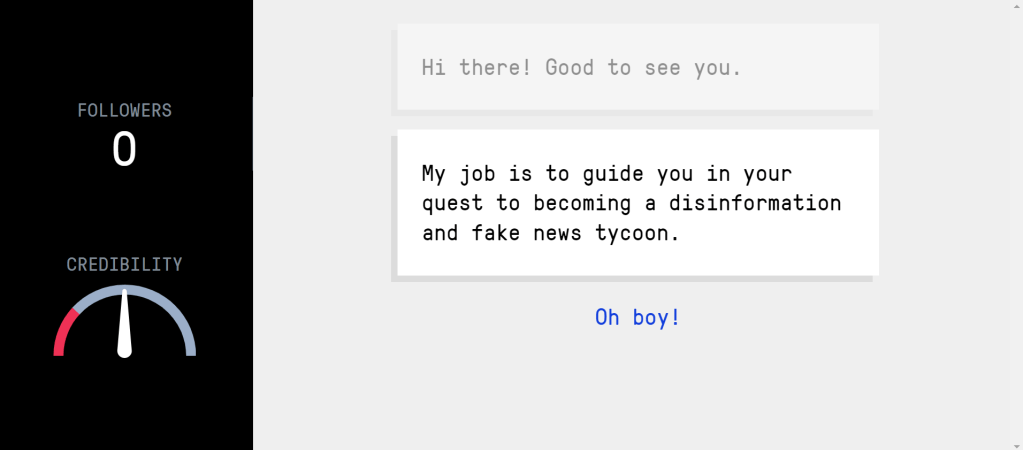
To play the game, players take on the role of a fake news producer and are tasked with creating and sharing false news stories, manipulating public opinion, and gaining followers. Throughout the game, players go through dfferent levels that also correspond with the tactics used by those who spread misinformation.
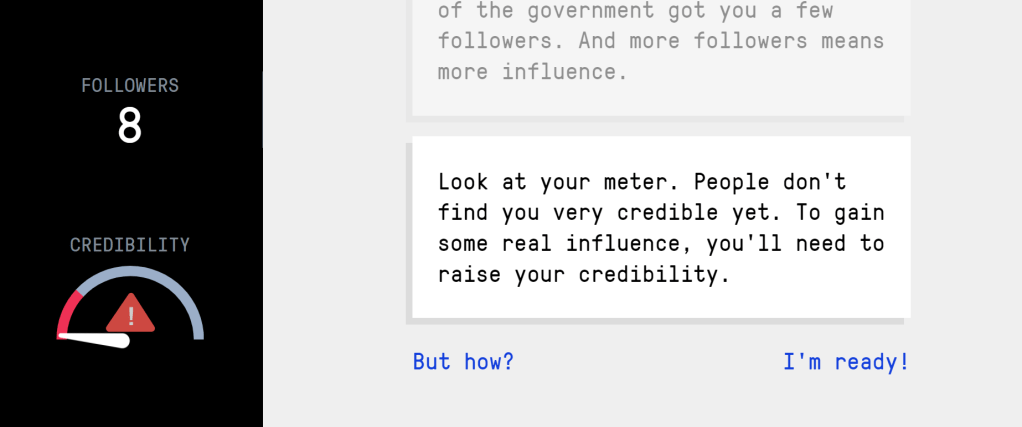
This game seems to be very effective of teaching players about the way misinformation is spread. A study conducted by Harvard University found that “social impact games rooted in insights from social psychology can boost psychological immunity against online misinformation across a variety of cultural, linguistic, and political settings.”
Basically, a game is a great (and fun) way to learn! I found the game to be highly effetcive as a hands-on learner. The game gives you options to choose from when creating your misinformation post.
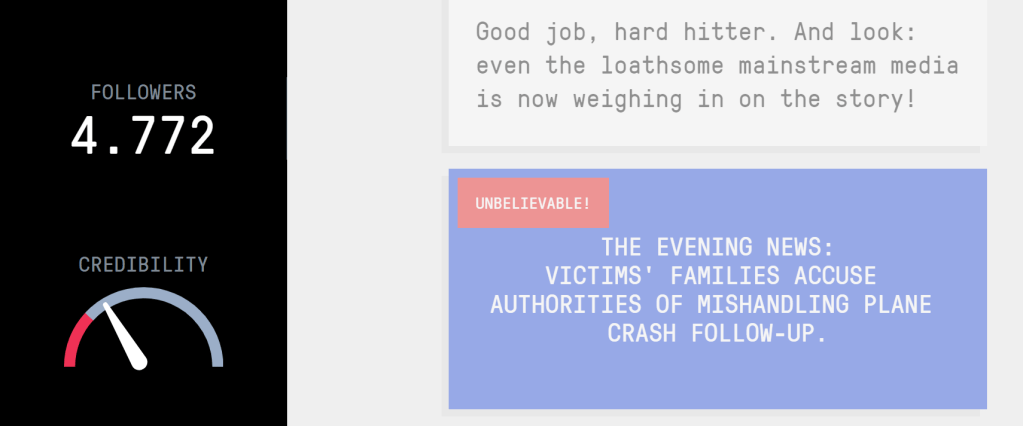
As you can see, I’m pretty far into the game at this point. However, the game shows the real-life impacts that misinformation, especially stories spread online have around us. Like this story being picked up by a real news station (which has happened before!)
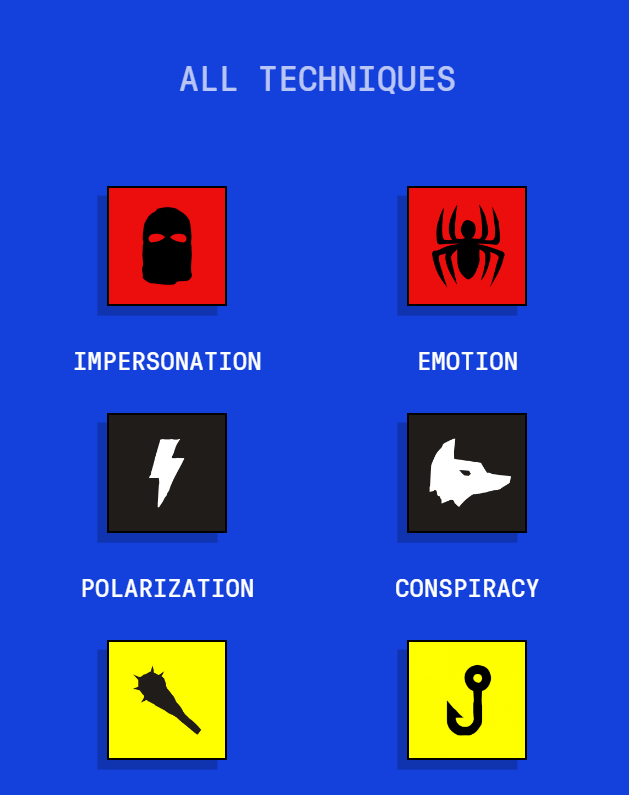
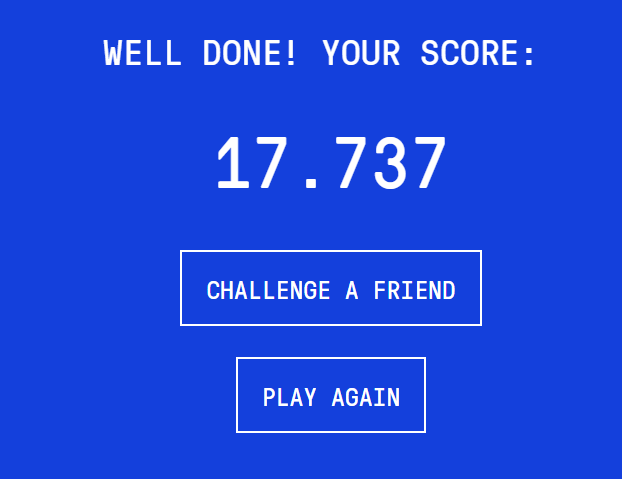
As you can see, I mastered all the different techniques and recieved a final score of 17.737. I’m not sure if I should be proud of this or not…
Harmony Square: Review
“Harmony Square” is another online game that challenges players to spread misinformation as the newly hired “Chief Disinformation Officer”. The game is set in a fictional town called Harmony Square, where players take on that role and ensue chaos throughout the town.
The game is split into four chapters. Each chapter, you also master a technique similiar to the other game.
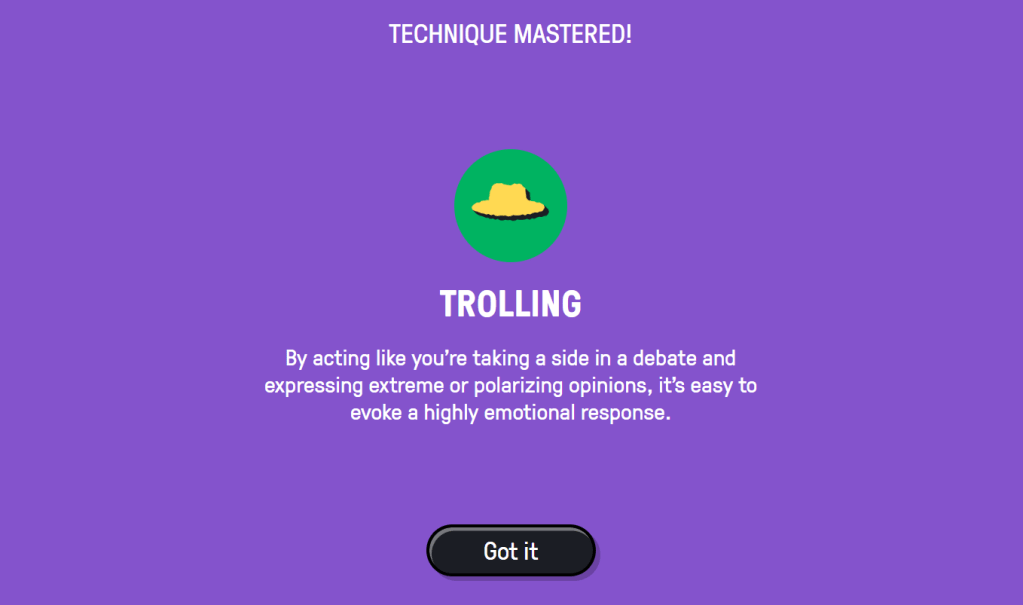
You create your own fake news site and create memes to further spread (and credit) your misinformaton. The game also lets you “buy” bots to create credit for the posts, and taught me that new technique!
I found this game to be more effective at teaching these skills because you get simulated in a fake town, so you are able to attack the things that town holds dearly, like it’s living statue and pineapple pizza.
By doing this, the game shows you how emotions and polarization begin to create strife online. It’s a little too similiar to real life.
Educational games can be a particularly effective tool for teaching about misinformation for several reasons.
Games are often more engaging and interactive than traditional learning materials, which can make them more effective at capturing and holding learners’ attention. This engagement keeps learners motivated and interested.
Games also provide learners with a safe and controlled environment to practice identifying and resisting misinformation. The realistic scenarios and simulated social media feeds help users develop and hone critical thinking and fact-checking skills in a risk-free setting.
Additionally, the immediate feedback on performance, allows users to quickly learn from mistakes and improve skills over time. This feedback can help learners identify areas where they need to improve and adjust their learning strategies.
I believe games like this are essential in combating misinformation, and are useful and fun tools for any level classroom! And hey, instead of reading this blog post, try to score higher than me Bad News or Harmony Square!
 lydia curry
Leave a comment